
The Long-Term Effects of Clenching and Grinding Teeth at Night
Many people clench and grind their teeth both during the day and at night while sleeping. Most people who grind or clench their teeth, known as bruxism, during their sleep aren’t aware of doing so. It is actually a sleep-related movement disorder. According to the Mayo Clinic, people who experience bruxism during sleep are “more likely to have other sleep disorders, such as snoring and sleep apnea. ” When sleep bruxism goes untreated, it can cause severe dental damage, including worn enamel, cracked teeth, and damaged fillings, in addition to other things.
At Hamby Family Dental Center, we are experienced in determining whether you are experiencing bruxism and what we can do for it. In this article, we explain what bruxism is, the negative effects of clenching and grinding your teeth, and what can be done to help.
Bruxism
Bruxism is a condition characterized by habitual, often voluntary, grinding or clenching your teeth, as stated by the Cleveland Clinic. It is highly common, with about 8% to 31% of adults experiencing sleep bruxism. It is even more widespread among children, with up to 50% experiencing it, though most outgrow it.
Causes of Bruxism
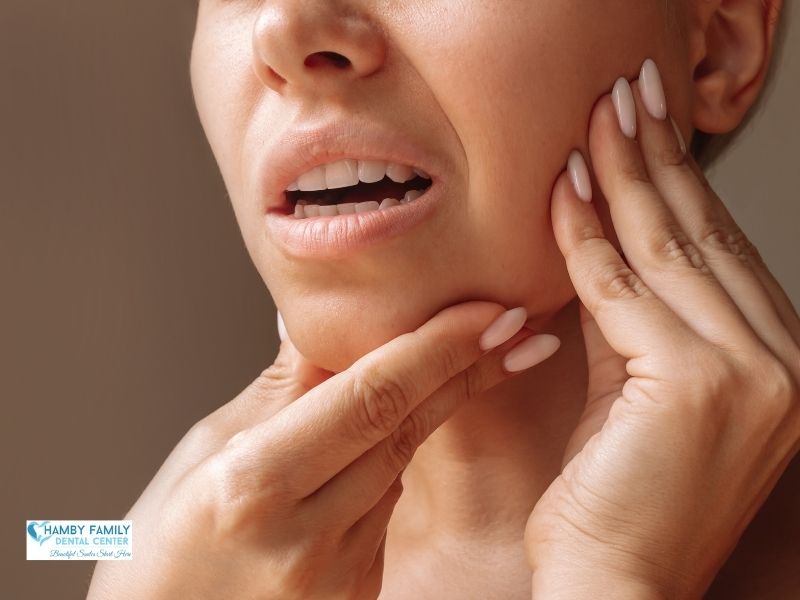
- Stress and Anxiety: Stress, anxiety, or tension can contribute to bruxism.
- Malocclusion: Misalignment of teeth or improper bite can lead to grinding and clenching your jaw as you try to find a comfortable position.
- Sleep Disorders: Bruxism may be associated with sleep disorders like sleep apnea.
- Medications: Certain medications, such as antidepressants, can increase the risk of bruxism as a side effect.
Symptoms of Bruxism Include:
- Teeth grinding or clenching.
- Teeth that are flattened, fractured, chipped, or loose.
- Worn tooth enamel. This can expose the inner layers of your teeth.
- Tooth pain or sensitivity.
- Tired or tight jaw muscles, or a locked jaw that won’t open or close all the way. Your jaw may pop or click.
- Jaw, neck, or face pain or soreness.
- Jaw muscles that are larger than expected.
- Pain that feels like an earache, though it is not a problem with your ear.
- Dull headache starting at your temples, the sides of your head between your forehead and ears.
- Sleep problems.
Short-Term Effects of Bruxism Include:
- Tooth Enamel Wear: Continual grinding or clenching your teeth can wear down the protective enamel layer of teeth. Constant friction from grinding can gradually erode enamel and weaken teeth.
- Tooth Fractures: Excessive pressure from grinding and clenching your teeth can cause fractures or cracks in molars and premolars. This is where grinding is often the more severe. These fractures can affect the structural integrity of the teeth and can require dental intervention to repair.
- Increased Tooth Sensitivity: Wear and enamel loss from bruxism can expose the underlying dentin layer of the teeth. Dentin is more porous and sensitive than enamel. Therefore, teeth become more sensitive and experience discomfort from hot, cold, or sweet foods and beverages.
- Tension Headaches: The muscular strain from bruxism can contribute to frequent tension headaches. Generally, these headaches are dull and achy, radiating from the temples or forehead. They can significantly impact daily life and the quality of sleep if left untreated.
Long-Term Effects of Grinding Your Teeth at Night
Grinding your teeth at night can cause severe dental damage, including worn enamel, cracked teeth, and damaged fillings. It can also cause significant wear on dental enamel, chipped or cracked teeth, and receding gums. Therefore, early diagnosis of bruxism is important for preventing long-term dental damage and associated health issues. During a routine dental exam, your dentist can evaluate your teeth for signs of wear, check for abnormalities in your bite alignment, and assess the health of your jaw muscles and TMJ.
Long-term effects of grinding your teeth at night include:
- Severe temporomandibular joint (TMJ) disorders
- Chronic facial and neck pain
- Tension headaches
- Gum recession and periodontal issues such as tooth loss
- Diminished quality of life due to sleep disruption and daily discomfort
Grinding your teeth also frequently leads to:
- waking with morning headaches
- jaw pain
- earaches
- stiffness in the neck and shoulders due to prolonged muscle strain
Untreated teeth grinding typically escalates, leading to cumulative physical and dental consequences that fall into three categories: Dental and Oral Damage, Jaw and Muscle Complications, and Systemic and Lifestyle Impacts.
Dental and Oral Damage
- Enamel Wear: Grinding strips away the protective outer layer (enamel), which exposes the softer, yellowish dentin underneath.
- Extreme Sensitivity: Exposed dentin makes your teeth highly sensitive to hot and cold foods and beverages.
- Fractures: The immense pressure can flatten, chip, or crack your teeth and break existing dental crowns or fillings.
- Tooth Loss: In severe, chronic cases, the excessive force can damage the periodontal ligaments, causing teeth to loosen in their sockets or even lead to tooth loss.
- Gum Recession: The structural stress can cause the gums to pull away from the teeth, increasing the risk of periodontal disease.
Jaw and Muscle Complications
Sleep bruxism over time can lead to several jaw and muscle problems:
- TMJ Disorders: Bruxism places heavy stress on the temporomandibular joint (TMJ). Long-term effects can be painful clicking, popping, limited jaw movement, or a locked jaw.
- Muscle Hypertrophy: The muscles used for chewing can become enlarged and tense from overuse, resulting in an altered facial appearance or chronic soreness.
- Headaches and Earaches: Persistent clenching triggers tension headaches that radiate to the temples. Because the TMJ is located close to the ear canal, jaw pain can also be exhibited as earaches, a feeling of fullness in the ear, or intensified existing tinnitus (ringing in the ears).
Sleep and Lifestyle Effects
Long-term effects from sleep bruxism can also affect your sleep and your overall well-being, including:
- Sleep Disturbance: Grinding frequently forces your body into a lighter state of sleep, leaving you feeling fatigued and unrefreshed, even if you slept for a full night.
- Partner Disruption: The grinding sounds (often described as gnashing or clicking) are frequently loud enough to wake or disturb your sleeping partner.
- Psychological: Chronic pain, facial changes, and daily fatigue can accumulate and reduce your overall quality of life by elevating stress and anxiety.
Prevention and Treatment for Clenching and Grinding Teeth at Night
Prevention and timely treatment are crucial in alleviating the long-term effects of unattended bruxism on oral health. According to the Cleveland Clinic, managing bruxism can be effectively achieved through lifestyle changes, stress management, and protective dental appliances.
- Stress Management: Since stress and anxiety can make bruxism worse, stress management techniques play an important role in prevention. Meditation, yoga, deep breathing exercises, and regular physical activity can help lessen stress levels and alleviate bruxism symptoms.
- Avoiding Stimulants: Avoiding stimulants such as caffeine and nicotine close to bedtime can help reduce the likelihood of bruxism episodes during sleep.
Treatment Options for Teeth Grinding
Wearing a custom-fitted night guard to prevent wear on your teeth, medications for muscle relaxation, and dental treatments are options.
- Custom Mouthguards (Nightguards): Custom-fitted mouthguards are one of the most common bruxism treatments. These devices can be worn during sleep to protect teeth from the damaging effects of grinding and clenching. Nightguards help to distribute the forces exerted during bruxism episodes and prevent further wear on tooth enamel.
- Medication: Medications such as muscle relaxers or medications for anxiety and stress may be prescribed to alleviate bruxism symptoms.
- Dental Treatments: Dental treatments may be necessary to restore oral health when the tooth wear and damage are severe. Treatments include dental bonding or veneers to repair teeth that are worn down, crowns to protect weakened teeth, or orthodontic treatment to correct misaligned teeth contributing to bruxism.
Contact Hamby Family Dental Center for Diagnosis and Treatment for Bruxism
The professional dental staff at Hamby Family Dental Center can diagnose and recommend treatment options for your bruxism. We know the symptoms and can put a plan in place for your individual needs. Call us at 919-552-2431 or fill out our convenient form below.
Appointment Request
"*" indicates required fields