
How Dehydration Impacts Oral Health in Adults
Discover More on Dehydration in Adults and the Impact on Oral Health
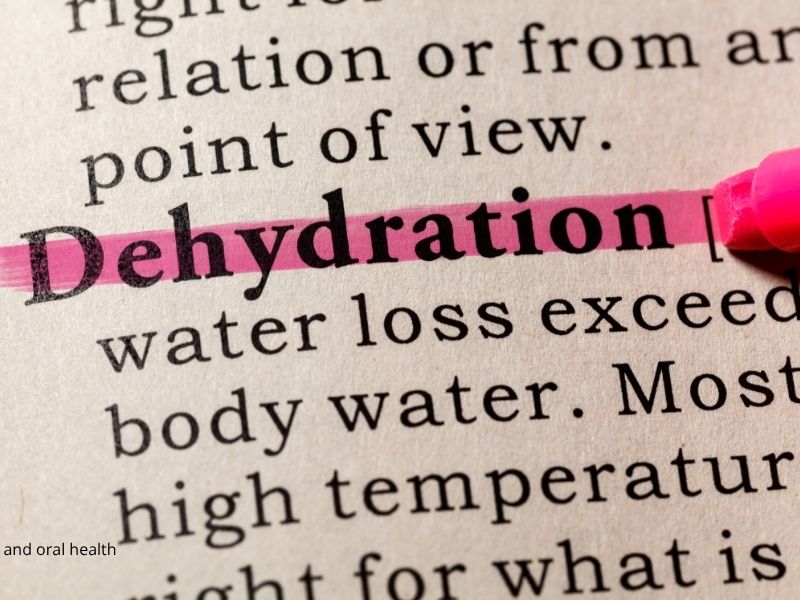
Hydration is essential for maintaining bodily functions, regulating temperature, lubricating joints, preventing infections, and removing waste. But does dehydration impact your oral health and, if so, how? Being severely dehydrated impacts oral health by reducing saliva flow. Decreased saliva leads to dry mouth (xerostomia), which allows bacteria to thrive, increasing the risks of tooth decay, gum disease, and bad breath.
Insufficient saliva prevents the neutralization of acids and reduces the cleaning of food particles, resulting in enamel erosion. In this article, we present how being dehydrated impacts oral health in adults, and what you can do to maintain good oral health.
Causes and Effects of Dehydration
Extreme physical activity, especially in hot weather, or a diet that lacks sufficient water, can result in dehydration. Other causes are illnesses with persistent vomiting, diarrhea, or excessive sweating, according to the National Health Service. Dehydration is when your body loses more fluid than you take in. It can be serious if not treated. Drinking fluids (such as water, diluted squash (vegetables with high water content), or fruit juice) regularly can prevent dehydration.
Key Causes
Key causes of dehydration include:
- Illness: Severe and acute diarrhea and vomiting are the most common causes of dehydration.
- Fever: High temperatures cause dehydration, which is worsened if combined with vomiting or diarrhea.
- Excessive Sweating: Intense, prolonged exercise or working in hot, humid weather without adequate hydration can cause severe water loss.
- Increased Urination: Uncontrolled diabetes or medications, such as diuretics and blood pressure drugs, can cause excessive fluid loss.
- Reduced Fluid Intake: Failure to drink enough water, often due to busy schedules, lack of access, or decreased thirst sensation (common in older adults).
Key Effects
Key effects and symptoms of dehydration include the following:
- Initial Symptoms: Extreme thirst, dry mouth, tiredness, fatigue, and headache.
- Urinary Changes: Decreased, less frequent urination and dark-colored urine.
- Physical Weakness: Dizziness, lightheadedness, and muscle cramps.
- Cognitive Issues: Confusion, irritability, or delirium.
- Physical Appearance: Dry, wrinkled skin (less elastic) and shrunken eyes.
- Severe Complications: Heat injury (cramps, exhaustion, heatstroke), urinary tract infections, kidney stones, and chronic kidney failure.
Oral Health Consequences of Dehydration
Dehydration can affect the health of your teeth and gums, causing dry mouth (xerostomia). As the American Dental Association (ADA) notes, saliva plays an important role in keeping your mouth healthy by washing away food debris and bacteria from your teeth and gums and neutralizing bacterial acids. Saliva is critical for strengthening enamel.
The ADA also explains that saliva bathes your teeth with calcium, phosphate, and fluoride, which are minerals that help to strengthen your teeth. In other words, if you’re dehydrated and your volume of saliva decreases, this can increase your risk of dry mouth and dental disease. Without enough saliva to wash away bacteria, plaque accumulates faster, leading to enamel damage and higher decay rates. A dry environment causes gum tissues to become dry and sticky, increasing the risk of inflammation and periodontal disease.
Additionally, dry mouth tissues can create painful friction, causing sores or discomfort. And, dry mouth can also lead to bad breath and mouth infections, as the National Institutes of Health explains.
Key Oral Health Consequences of Dehydration
- Dry Mouth (Xerostomia): A noticeable, sticky, or dry feeling in the mouth.
- Increased Risk of Cavities and Decay: Without enough saliva, food particles and acid remain on teeth longer, promoting decay. Saliva is critical for strengthening enamel.
- Gum Disease and Irritation: A lack of saliva increases plaque and tartar buildup, which causes inflammation, swelling, and bleeding gums.
- Bad Breath (Halitosis): Bacteria thrive in dry conditions, causing odors, as discussed in this Hamby Family Dental Center article.
- Mouth Sores and Infections: Dry tissue is more vulnerable to damage.
Symptoms of Dehydration
Symptoms of dehydration include:
- Feeling thirsty
- Having dark yellow, strong-smelling pee (urine)
- Peeing less often than usual (less than 3 or 4 times a day)
- Feeling dizzy or lightheaded
- Headache
- Feeling tired
- A dry mouth, lips, and eyes
- Sunken eyes
Oral Rehydration Solutions
When you are dehydrated, you lose sugar and salts, as well as water. Oral rehydration solutions can help treat this. These are powders that you mix with water and then drink. They contain a mixture of potassium and sodium salts, as well as glucose or starch.
When to Get Medical Advice for Dehydration
According to NHS Inform, if severe dehydration is not treated immediately, it can lead to serious complications. Severe dehydration needs hospital treatment. You’ll be put on a drip to quickly replace fluid in your body.
You should speak to your general physician urgently if you experience these symptoms:
- You are extremely thirsty
- You are feeling unusually tired
- You are confused and disoriented
- You feel dizzy when you stand up, and it does not go away after a few seconds
- You have dark yellow pee, or you’re peeing less than normal
- Your symptoms continue even after drinking fluids
If severe dehydration is not treated immediately, it can lead to serious complications. Severe dehydration needs hospital treatment. In the hospital, you’ll be put on a drip to quickly replace fluid in your body.
Adults Who Are More at Risk of Dehydration
Anyone can become dehydrated, but those who are at more risk are:
- Older people: Older adults may be less aware that they are becoming dehydrated and need to drink fluids.
- People with a long-term health condition: People with illnesses such as diabetes and alcoholism.
- Athletes: Athletes can lose a large amount of body fluid through sweat when exercising for long periods.
Preventive Tips to Avoid Dehydration
To prevent dehydration, drink 6-8 glasses of fluid daily, prioritizing water, and drinking before thirst sets in. Increase intake during exercise, hot weather, or illness, and eat water-rich foods like fruits and vegetables (e.g., watermelon, celery). Carry a water bottle, avoid excessive alcohol and caffeine, and monitor urine color, aiming for pale or clear.
Use these strategies to prevent dehydration:
- Drink Early and Often: Don’t wait until you are thirsty to drink, as thirst means you are already mildly dehydrated. Make hydration part of your daily routine, such as having a glass of water when you wake up and before each meal.
- Carry a Water Bottle: Keep a reusable water bottle handy throughout the day to encourage regular sipping.
- Increase Fluids During Specific Times: Drink extra fluids, approximately 6-8 ounces of water every 15-20 minutes, during exercise or in hot, humid weather.
- Eat Hydrating Foods: Consume foods with high water content, including cucumbers, celery, lettuce, watermelon, strawberries, and cantaloupe.
- Limit Dehydrating Beverages: Avoid or limit alcohol, coffee, sugary drinks, and caffeinated sodas, which can increase fluid loss.
- Monitor Your Body: A good sign of proper hydration is frequent urination (4–8 times per day) that is pale or almost clear.
Concerned About Dehydration and Oral Health? Contact Hamby Family Dental Center
The professional dental staff at Hamby Family Dental Center can help you monitor your oral health according to your hydration levels. We know the symptoms and can clearly assess the areas in your mouth that show signs of dehydration. You can schedule an appointment by filling out our form or calling us at 919-552-2431.
Appointment Request
Appointment Request
"*" indicates required fields