
The Importance of Wearing a Mouthguard During Sports Practice
Wearing a Mouthguard During Sports Practice Is Essential
Injuries to children’s teeth can happen easily and swiftly from falls or during playtime or sports activities. These injuries can affect their teeth and mouth long-term, whether the injury is to a baby (primary) tooth or an adult tooth (permanent). From impact trauma, a tooth may become cracked, chipped, or totally detached from its socket, which can cause bleeding, pain, or sensitivity.
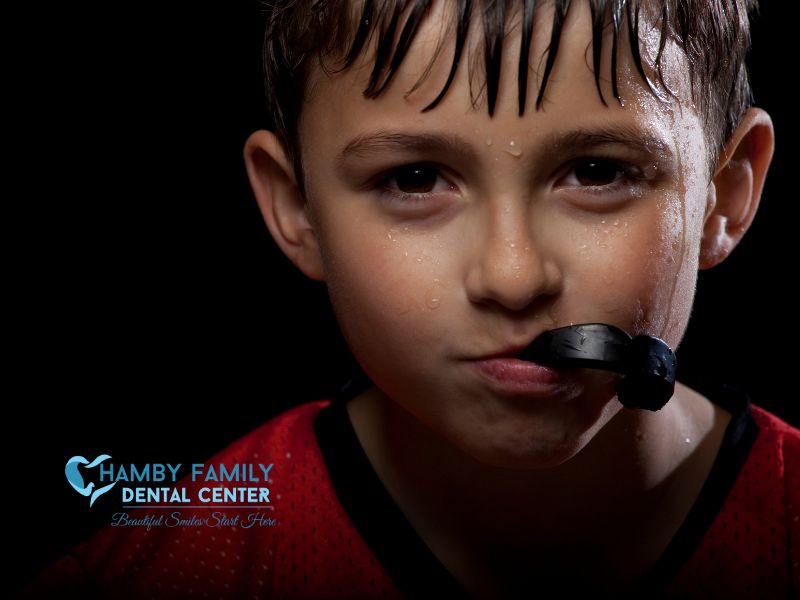
Protecting your child’s teeth during sports practice by wearing a mouthguard is crucial to prevent severe oral and facial injuries, which can result in long-term damage and costly dental work. A mouthguard acts as a shock absorber, protecting the jaw, lips, tongue, and cheeks from impact. It is critical for preventing trauma to teeth and braces during contact and high-velocity sports. The American Dental Association (ADA) recommends their use in any activity with a potential for contact or falls.
In this article, we discuss reasons why you should use a mouthguard to protect your child’s teeth during sports play, as well as types and fits for mouthguards.
What an Expert Says
Regarding the importance of mouthguards, in an interview with Zameera Fida, DMD, an associate in the Department of Dentistry, Boston Children’s Hospital, wrote:
“A mouthguard will protect not only your teeth, but also your gums, tongue, cheeks, and lips from trauma,” Dr. Fida says. “It acts as a cushion to absorb the blow. Whether it’s a blow to the face, knee, or any other part of the body, the gear your child is wearing will absorb the impact.”
Without a mouthguard or other protective gear, much can go wrong. Your child could lose a tooth, but even a minor injury to the mouth could be enough to crack a tooth and require a root canal, according to Dr. Fida. Nerve damage, infection, and tooth discoloration are other possible complications that might not be immediately noticed.
What is a Mouthguard?
A mouthguard is a protective dental appliance, typically made of flexible, durable plastic, that fits over the teeth to safeguard them—along with the lips, tongue, and cheeks—from injury during sports. They act as shock absorbers and can also be used to treat jaw issues or sleep apnea.
Reasons for Wearing a Mouthguard During Sports Practice
Reasons for wearing a mouthguard during sports play include:
- Preventing Tooth Injuries: Mouthguards are a cushion that absorbs and distributes the force of an impact to prevent common injuries like chipped, broken, or knocked-out teeth.
- Protecting Soft Tissues: Mouthguards provide a barrier between teeth and the soft tissues (lips, cheeks, and tongue), preventing lacerations that may need stitches.
- Reducing the Risk of Jaw Fractures: By keeping the jaws stationary and spreading the force of a blow, mouthguards can help prevent jaw dislocations and fractures, which are serious injuries that can require surgery.
- Potential Concussion Reduction: Mouthguards may help to reduce the risk or severity of concussions by absorbing shock from a blow to the jaw that might otherwise transmit force to the base of the skull.
- Preventing Costly Dental Work: Investing in a mouthguard costs significantly less than repairing or replacing a damaged permanent tooth, which can involve thousands of dollars in lifetime dental costs.
- Reduced Risk for Many Sports: Mouthguards are recommended for high-contact sports such as football, hockey, and basketball, and lower contact activities with risks of falling (skateboarding, gymnastics).
- Promotes Confidence and Focus: When your child doesn’t need to worry about serious injury, it allows them to focus more on their game and perform better without anxiety.
Getting the Proper Fit for a Mouthguard
It’s so important to get the right fit for your child’s mouthguard. A properly fitted mouthguard prevents dental injuries by absorbing the impact, whereas a loosely fitting one offers less protection. The guard should fit snugly over the upper teeth without moving, allow easy breathing and speaking, and not dig into the gums.
Why a Custom Mouthguard Made by a Dentist is Better
Either a boil-and-bite style or a custom-made guard from a dentist can achieve a good fit for superior protection. However, to get an exact fit, getting a custom-made guard from a dentist is the better option. Here are some reasons for a customized mouthguard from a dentist:
- Comfort and Retention: Unlike “boil-and-bite” options, a custom guard fits snugly, which means it will not slip, slide, or fall out.
- Safety: It offers superior protection against tooth fractures, jaw injuries, and lacerations, which is critical for children with developing teeth.
- Increased Compliance: Because it is more comfortable, children are more likely to wear it consistently.
- Adjusts to Growth: Dentists can create models that account for the changing, mixed dentition (baby and adult teeth) of children.
The Process of Making a Custom Mouthguard
A dentist makes a custom mouthguard for a child by creating a precise, personalized mold of their teeth and gums to ensure a secure, comfortable fit that won’t interfere with breathing or speaking. This process involves taking a physical impression, sending it to a dental lab for fabrication, and conducting a final fitting to make adjustments.
Here is the step-by-step process a dentist uses to create a custom-fit mouthguard for a child:
Step 1: Initial Assessment
The dentist examines the child’s mouth to check for any existing cavities, gum health, and the current alignment of teeth. This ensures the mouthguard will fit properly and that any underlying dental issues are addressed first.
Step 2: Taking Dental Impressions
- Impression Material: The dentist or dental assistant uses a “Play-Doh” like substance (alginate) or a specialized tray to capture an exact, 3D model of the child’s teeth and mouth structure.
- Comfortable Process: The material is placed in a tray and pressed against the teeth for a few minutes. It is designed to be quick and generally painless.
- Digital Scanning: In some modern practices, a 3-D digital scanner may be used instead of traditional putty impressions.
Step 3: Fabricating in a Lab
- Creating a Model: The impression is sent to a specialized dental laboratory, where technicians create a plaster model of the child’s teeth.
- Custom Molding: Durable, high-quality, hypoallergenic plastic material is heated and pressed onto the plaster model to create a perfect replica of the child’s mouth.
- Customization: The lab can adjust the thickness of the material based on the level of contact in the child’s sport.
Step 4: Fitting and Adjustment
- Final Try-On: Once the mouthguard is returned from the lab, the child returns for a fitting appointment.
- Adjustments: The dentist checks the fit, ensuring it does not pinch the gums, impede speech, or cause discomfort.
- Trimming: The dentist may trim or polish the edges to ensure maximum comfort and retention.
What to Do If Your Child is Resistant to Wearing a Mouthguard
If your child doesn’t want to wear a mouthguard, have a positive conversation about the importance of protecting their teeth, tongue, jaw, and face. Injuries can happen not just in high-contact sports, but also in non-contact activities like biking and skating.
To get your child to wear a mouthguard, make it a comfortable, personalized, and routine part of their gear. Let them pick a fun color or design, introduce it before practices to get used to the feel, use positive reinforcement (rewards), and emphasize that it protects their smile so they can keep playing.
- Ensure it fits well and doesn’t cause gagging. If it is uncomfortable, try a different brand, a smaller size, or a custom-fitted option from a dentist.
- Have them wear it at home for short periods before their first practice to get accustomed to the sensation.
- Create a reward system for consistently wearing the mouthguard.
- Make it part of the routine.
- Store it in a labeled, easy-to-reach case in their sports bag.
- Check for wear and tear, and replace as needed to ensure comfort and protection.
Contact Hamby Family Dental Center for a Custom-Made Mouthguard
If any of your children participate in either a contact or non-contact sport, our experienced dentists and professional staff can make a customized mouthguard for your child. Call us today for a dental appointment and assessment to ensure your child’s teeth are protected. And, as always, contact us for your routine dental checkups. Call us at (919) 552-2431 or use the form below to schedule your appointment online.
Request a Dental Appointment
"*" indicates required fields