
The Connection Between Dental Erosion and Acid Reflux
Understanding the Link Between Acid Reflux and Tooth Enamel Damage
Approximately 20% of adults in the United States suffer from gastroesophageal reflux disease, also known as GERD and Acid Reflux. According to the Mayo Clinic, gastroesophageal reflux disease is caused by stomach acid that flows back up into the esophagus. This backwash is known as acid reflux, and it can irritate the lining of the esophagus and make its way into your mouth. GERD can have uncomfortable symptoms, or it can be a silent condition. But, a point In fact, dental enamel erosion may be the first indication of GERD.
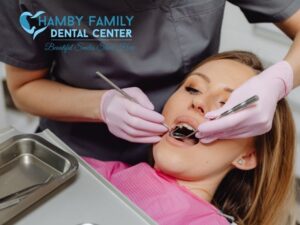 At Hamby Family Dental Center, our dentists are trained to identify dental erosion. As GERD becomes more prevalent in adults and children, dentists must be alert to this potentially severe condition when they observe unexplained tooth erosion. A study in ScienceDirect, focusing on bile acids present in acid reflux, shows that dental erosion is more prevalent in patients with GERD compared to healthy people. In this article, we discuss the connection between acid reflux and enamel erosion and tips for preventing damage to your teeth.
What is Acid Reflux?
When acid from your stomach flows backward into your esophagus and throat, it is called acid reflux. You feel an irritation as the acid moves up from your stomach, into the esophagus, and further to your chest and throat. This acid burns and inflames the tissues inside your esophagus and along its path upward.
Occasional acid reflux in the form of indigestion or heartburn is uncomfortable, but it isn’t a disease. However, some people have reflux constantly. It can affect your quality of life and cause damage to your tissues.
What is GERD?
Acid reflux becomes gastroesophageal reflux disease (GERD) when the acid reflux is chronic. If you have had it at least twice a week for several weeks, it is considered chronic. You can have acid reflux temporarily, but when it becomes constant, you have GERD.
The Symptoms of Acid Reflux and GERD
Common symptoms of acid reflux and GERD include:
- Heartburn: A burning sensation in the chest, often rising from the stomach.
- Regurgitation: The backwash of food or sour liquid into your throat or mouth.
- Acid Taste: A sour or bitter taste in the back of the mouth.
- Dysphagia: Difficulty or pain when swallowing.
- Chronic Cough/Throat Issues: A dry cough, sore throat, or throat clearing.
- Hoarseness/Voice Problems: Changes in voice due to acid irritating the vocal cords.
- Nausea: Feeling queasy or having an upset stomach.
- Belching/Bloating: Frequent burping or a feeling of fullness.
Less common and atypical symptoms, which can mimic other conditions, include:
- Asthma-like symptoms, such as wheezing, shortness of breath
- Chest pain, such as a non-burning pain that can mimic heart pain
- Bad breath
- Lump in the throat
How Dental Erosion Can Occur with Acid Reflux
Acid reflux causes dental erosion when the harsh stomach acids flow back into the mouth, dissolving the enamel and exposing the inner dentin. Chronic exposure to the acid leads to permanent loss of tooth structure, causing sensitivity, tooth thinning, and discoloration. Once enamel is lost, it cannot be replaced. This leads to permanent structural damage. Usually, the erosion affects the biting surfaces of the back molars and the tongue-side (lingual) surface of the front teeth.
Symptoms of Dental Erosion
The most common symptoms of dental erosion include:
- Sensitivity: Increased sensitivity to hot, cold, or sweet foods and beverages.
- Appearance Changes: Teeth may appear yellow due to exposed dentin, thin, or have small “pot holes” (cupping).
- Tooth Structure Loss: Sharp, jagged, or chipped edges on the front teeth.
- Fillings: Fillings may appear to be sinking or washing out.
How to Protect Your Teeth from Acid Reflux
Here are some tips for protecting your teeth from acid reflux:
1. Maintain Good Dental Care
See your dentist every six months for a full cleaning and check of your enamel. Brush and floss as directed every day, and alert your dentist to any issues and changes that may concern you.
2. Control Acid Reflux
See a gastroenterologist who can advise you on ways to control your acid reflux so the acid can’t get to your teeth. You may be advised to lose weight, avoid acidic foods, eat smaller meals, sleep on an incline (propped up), refrain from lying down soon after eating, stop smoking, and reduce alcohol intake.
3. Review Your Diet
What you are eating could be causing you undue stress. Reduce sodas, citrus fruits and drinks, and acidic foods like pasta sauce.
4. Chew Sugar-Free Gum
Gum has the added benefit of helping you produce more saliva, which strengthens teeth with minerals.
5. Avoid Brushing Your Teeth Immediately After an Acidic Meal
Wait an hour or so before brushing your teeth. Use a soft-bristled tooth brush. Acidic foods tend to soften the enamel; therefore, you shouldn’t use a brush with hard bristles against the soft enamel.
6. Choose a Fluoride Toothpaste and Mouthwash for Sensitive Teeth
Your dentist can advise you on the best toothpaste for you.
More Tips:
- Drink plenty of water during the day, especially if you suffer from dry mouth.
- Eat something like a piece of cheese or drink milk after your meal to cancel the effects of the acid.
- Swish your mouth with water after eating or drinking.
How to Repair the Damage to Your Teeth
Enamel can’t be restored. However, your dentist may be able to provide a cosmetic solution tailored to your situation. You may be a candidate for a cosmetic service such as tooth bonding, crowns, or veneers. The message here is that you should stay alert to your dental health, especially if you have GERD, because you are at a higher risk of tooth wear and erosion. You may not be aware of the damage that acid reflux has caused until it is too late, so it’s important that you catch it in the earliest stages.
Contact Hamby Family Dental Center to Schedule your Dental Check-up
It is important to stay on top of your oral health as it can have connections to other general health issues. Our dental professionals at Hamby Family Dental Center are committed to improving your oral health and your overall well-being. Keeping up with your bi-annual dental exams is a crucial part of this endeavor. We are accepting new patients. Contact us today to schedule your check-up. Call us at 919-552-2431 or complete the form below to request an appointment.
"*" indicates required fields